How to Start a UGC Video Editing Studio for Online Sellers
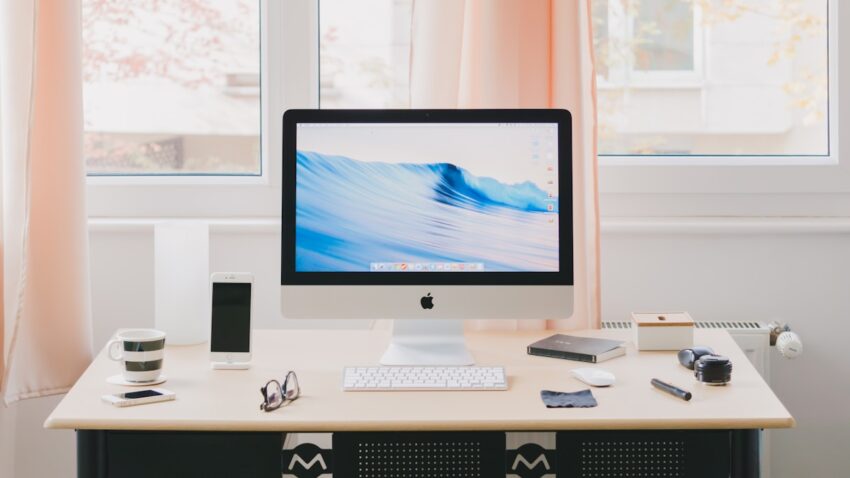
UGC editing studio
The opportunity is not making pretty videos. It is helping sellers test more buying angles, faster.
A UGC video editing studio turns raw creator footage into ad-ready assets for Amazon sellers, TikTok Shop brands, Etsy sellers, and direct-to-consumer stores.
Short-form video has created a practical problem for online sellers. They need more creative than ever, but raw footage is not the same as usable ads. A creator sends twenty minutes of clips. Somewhere inside that footage are hooks, demonstrations, reactions, product close-ups, objections, and moments of proof. The seller needs someone to turn that mess into testable assets.
That is where a UGC editing studio can make money. You are not trying to become a famous creator. You are becoming the production partner who helps brands turn footage into ads, reels, shorts, product page videos, and launch assets.
Package ideas
| Package | Deliverables | Best for | Typical range |
|---|---|---|---|
| Starter clips | 10 short edits/month from provided footage | Solo Amazon or Etsy sellers testing paid social | $400-$900/mo |
| Ad testing pack | 25 hooks, 10 edited videos, captions, thumbnails | DTC brands and TikTok Shop sellers | $1,200-$2,500/mo |
| Creator repurposing | Turn long creator footage into ads, reels, shorts | Brands already working with UGC creators | $1,500-$3,500/mo |
| Launch sprint | 30-50 assets around one product launch | Seasonal offers, new SKUs, crowdfunding | $2,500-$6,000+ |
Why editing is the hidden bottleneck
Many sellers can find creators. Many creators can record footage. The painful middle is turning raw footage into enough useful ad variations. A brand may need ten hooks, five openings, three angles, caption versions, aspect ratios, thumbnails, and platform-specific edits. That is where an editing studio can become valuable.
This service is not about cinematic editing. It is about speed, testing, clarity, and buyer psychology. A good UGC edit makes the product understandable fast. It shows the problem, the product, the result, the proof, and the next step without wasting the viewer’s attention.
Online sellers in the US and Europe constantly need fresh creative because ads fatigue. That demand can support a focused editing business.
Pick a product category before offering everything
Editing skincare videos is different from editing kitchen gadgets, baby products, fitness accessories, software demos, or pet products. Each category has different proof, pacing, claims, compliance risks, and buyer objections.
Choose a category where visual explanation matters and sellers can afford ongoing creative. Beauty, wellness, home gadgets, kitchen tools, fitness products, craft supplies, pet products, and Amazon private-label items can all work if you understand the buyer journey.
Specialisation helps your portfolio. A page full of relevant examples is more persuasive than a random mix of edits.
What the client actually wants
The client does not just want videos. They want more angles to test. They want ads that do not look stale. They want their product explained quickly. They want a smoother creative pipeline. They want someone who can take raw footage and return organised assets without needing constant hand-holding.
Your service should therefore include naming files properly, delivering versions clearly, noting what each variation is testing, and keeping a record of hooks and angles used. Organisation is part of the product.
A messy editor creates work for the client. A good editing studio reduces it.
The anatomy of a useful UGC ad
Most useful UGC ads have a hook, context, demonstration, proof, objection handling, and call to action. The exact order can vary. A skincare ad may begin with a problem. A kitchen gadget ad may begin with a surprising demonstration. A software demo may begin with a frustrating before-state.
The hook should not be random. It should connect to a buyer belief or pain. Examples include ‘I stopped wasting money on…’, ‘This fixed the part nobody talks about…’, ‘I did not expect this tiny tool to…’, or ‘If you have tried X and still hate Y…’.
The edit should remove dead air, show the product clearly, add captions that support comprehension, and make the first three seconds strong enough to earn the rest.
How to build a portfolio without clients
Buy three inexpensive products in one niche and create sample edits using your own footage. You do not need to pretend they are client ads. Label them as concept edits. Show before-and-after: raw clip, edited hook, final ad, and variations.
You can also ask small brands for permission to create a free sample from existing public footage or creator clips they provide. Keep the sample short and specific. A useful sample can open a conversation better than a long pitch.
The portfolio should prove thinking, not just software skill. Explain what each edit is testing: problem hook, demo hook, testimonial angle, comparison angle, or objection angle.
A workflow that feels professional
Create an intake form asking for product link, target audience, claims to avoid, brand style, platform, raw footage link, offer, previous winning ads, and competitor examples. This prevents vague briefs.
Then create a creative map before editing. List the hooks, angles, assets needed, and deliverables. Send it to the client if the project is large. This shows that you are not randomly cutting clips.
Deliver through organised folders: raw references, drafts, final exports, thumbnails, captions, and notes. The client should be able to find everything without messaging you.
How to price
Avoid charging only by the minute of video. UGC editing value comes from variations, speed, testing ideas, and commercial usefulness. A ten-second hook variation can be more valuable than a polished two-minute montage.
Retainers are attractive because brands need continuous creative. You can price by number of edited assets, number of raw footage batches, turnaround time, and strategic input. Rush delivery should cost more because it affects your schedule.
Start with a simple package, then raise prices as you develop category expertise and proof.
Outreach that gets attention
Find brands running ads on Meta, TikTok, Amazon, or Instagram. Look for signs of creative fatigue: repeated ads, weak hooks, poor captions, confusing demos, or old-looking clips. Then send a short note with one practical observation.
For example: ‘I noticed your current video opens with the product on a table, but the strongest moment is the before-and-after at 14 seconds. I made a quick hook concept showing how that could lead the ad.’ This is far better than asking if they need video editing.
Specificity proves you understand ads, not just editing software.
Quality control before delivery
Check captions, spelling, safe zones, audio levels, aspect ratio, product visibility, claim accuracy, and platform requirements. Make sure the product is shown early enough. Make sure the call to action matches the offer.
If the product has regulated claims, be careful. Health, supplements, finance, skincare, and children’s products can have advertising rules. Do not add claims the client did not approve.
A fast editor who creates compliance problems is not a good partner. Speed matters, but judgement keeps clients.
How to turn edits into strategy
After each batch, ask what performed best. Which hook got the strongest watch time? Which angle produced purchases? Which video had high clicks but low conversions? This feedback helps you edit the next batch better.
Over time, you can become a creative strategist, not just an editor. You will know which objections matter, which demonstrations work, and which angles fatigue quickly.
That is how the service becomes harder to replace. Software can cut clips. A useful partner understands why one clip should lead the ad and another should be saved for proof.
The real edge
The best UGC editing business is not a random gig. It is a creative production system. You understand the product, the buyer, the platform, the hook, the proof, and the testing cycle. That makes you much more valuable than someone who only adds captions and background music.
If you can help sellers in the US and Europe test better creative every month, you are solving a problem that keeps coming back. That is exactly the kind of service business worth building.
How to analyse a product before editing
Read the product page, reviews, competitor ads, customer questions, and refund complaints. Look for the real selling points and objections. The edit should answer the buyer’s hesitation, not just look energetic.
A supplement, kitchen tool, beauty product, or pet accessory each needs different proof. Good editors study the product before opening the timeline.
Hook libraries by category
Build a hook library for each niche you serve. Save problem hooks, demonstration hooks, curiosity hooks, testimonial hooks, comparison hooks, and offer hooks. Tag them by product category and buyer emotion.
This library speeds up editing and improves strategy. You stop starting from a blank page every time footage arrives.
How to make raw creator footage more useful
Give creators a shot list before they record. Ask for unboxing, close-ups, problem demonstration, product in use, honest reaction, before-and-after, common objection, and a clean call-to-action line.
Better raw footage means better edits. Some editing businesses eventually offer creator briefing as part of the package because it improves every downstream asset.
Delivery notes that clients appreciate
With each batch, include a short note explaining what each variation tests. Example: Hook A tests pain awareness, Hook B tests curiosity, Hook C tests product demonstration. This makes the client see strategy behind the edits.
A client who understands the logic is more likely to value the work and give useful feedback.
How to avoid copyright and platform issues
Use licensed music, approved brand assets, and client-approved claims. Do not pull random clips or logos into ads unless the client has rights. Platform policy problems can hurt the advertiser.
Professional editing includes asset discipline. Keep source folders organised and know where each element came from.
When to hire help
Hire when editing demand is predictable and your process is documented. Start with a freelance editor for overflow or caption formatting. Keep strategy and client communication close until quality is consistent.
Scaling too early can damage the service. Scaling after you have clear standards can turn the studio into a real operation.
Metrics to ask clients for
Ask for watch time, thumb-stop rate, click-through rate, cost per click, conversion rate, and creative fatigue notes if they are willing to share. Even partial feedback helps.
The goal is not to become their media buyer. The goal is to learn which creative choices lead to better outcomes.
How to analyse a product before editing. Read the product page, reviews, competitor ads, customer questions, and refund complaints. Look for the real selling points and objections. The edit should answer the buyer’s hesitation, not just look energetic.
A supplement, kitchen tool, beauty product, or pet accessory each needs different proof. Good editors study the product before opening the timeline.
Turn this into action by writing down one task, one owner, one tool, and one sign that the change worked. Readers stay longer when the advice becomes something they can actually do today.
Hook libraries by category. Build a hook library for each niche you serve. Save problem hooks, demonstration hooks, curiosity hooks, testimonial hooks, comparison hooks, and offer hooks. Tag them by product category and buyer emotion.
This library speeds up editing and improves strategy. You stop starting from a blank page every time footage arrives.
Turn this into action by writing down one task, one owner, one tool, and one sign that the change worked. Readers stay longer when the advice becomes something they can actually do today.
How to make raw creator footage more useful. Give creators a shot list before they record. Ask for unboxing, close-ups, problem demonstration, product in use, honest reaction, before-and-after, common objection, and a clean call-to-action line.
Better raw footage means better edits. Some editing businesses eventually offer creator briefing as part of the package because it improves every downstream asset.
Turn this into action by writing down one task, one owner, one tool, and one sign that the change worked. Readers stay longer when the advice becomes something they can actually do today.
Delivery notes that clients appreciate. With each batch, include a short note explaining what each variation tests. Example: Hook A tests pain awareness, Hook B tests curiosity, Hook C tests product demonstration. This makes the client see strategy behind the edits.
A client who understands the logic is more likely to value the work and give useful feedback.
Turn this into action by writing down one task, one owner, one tool, and one sign that the change worked. Readers stay longer when the advice becomes something they can actually do today.
How to avoid copyright and platform issues. Use licensed music, approved brand assets, and client-approved claims. Do not pull random clips or logos into ads unless the client has rights. Platform policy problems can hurt the advertiser.
Professional editing includes asset discipline. Keep source folders organised and know where each element came from.
Turn this into action by writing down one task, one owner, one tool, and one sign that the change worked. Readers stay longer when the advice becomes something they can actually do today.
When to hire help. Hire when editing demand is predictable and your process is documented. Start with a freelance editor for overflow or caption formatting. Keep strategy and client communication close until quality is consistent.
Scaling too early can damage the service. Scaling after you have clear standards can turn the studio into a real operation.
Turn this into action by writing down one task, one owner, one tool, and one sign that the change worked. Readers stay longer when the advice becomes something they can actually do today.
Metrics to ask clients for. Ask for watch time, thumb-stop rate, click-through rate, cost per click, conversion rate, and creative fatigue notes if they are willing to share. Even partial feedback helps.
The goal is not to become their media buyer. The goal is to learn which creative choices lead to better outcomes.
Turn this into action by writing down one task, one owner, one tool, and one sign that the change worked. Readers stay longer when the advice becomes something they can actually do today.
How to analyse a product before editing. Read the product page, reviews, competitor ads, customer questions, and refund complaints. Look for the real selling points and objections. The edit should answer the buyer’s hesitation, not just look energetic.
A supplement, kitchen tool, beauty product, or pet accessory each needs different proof. Good editors study the product before opening the timeline.
Turn this into action by writing down one task, one owner, one tool, and one sign that the change worked. Readers stay longer when the advice becomes something they can actually do today.
Hook libraries by category. Build a hook library for each niche you serve. Save problem hooks, demonstration hooks, curiosity hooks, testimonial hooks, comparison hooks, and offer hooks. Tag them by product category and buyer emotion.
This library speeds up editing and improves strategy. You stop starting from a blank page every time footage arrives.
Turn this into action by writing down one task, one owner, one tool, and one sign that the change worked. Readers stay longer when the advice becomes something they can actually do today.
How to make raw creator footage more useful. Give creators a shot list before they record. Ask for unboxing, close-ups, problem demonstration, product in use, honest reaction, before-and-after, common objection, and a clean call-to-action line.
Better raw footage means better edits. Some editing businesses eventually offer creator briefing as part of the package because it improves every downstream asset.
Turn this into action by writing down one task, one owner, one tool, and one sign that the change worked. Readers stay longer when the advice becomes something they can actually do today.
Delivery notes that clients appreciate. With each batch, include a short note explaining what each variation tests. Example: Hook A tests pain awareness, Hook B tests curiosity, Hook C tests product demonstration. This makes the client see strategy behind the edits.
A client who understands the logic is more likely to value the work and give useful feedback.
Turn this into action by writing down one task, one owner, one tool, and one sign that the change worked. Readers stay longer when the advice becomes something they can actually do today.
How to avoid copyright and platform issues. Use licensed music, approved brand assets, and client-approved claims. Do not pull random clips or logos into ads unless the client has rights. Platform policy problems can hurt the advertiser.
Professional editing includes asset discipline. Keep source folders organised and know where each element came from.
Turn this into action by writing down one task, one owner, one tool, and one sign that the change worked. Readers stay longer when the advice becomes something they can actually do today.
When to hire help. Hire when editing demand is predictable and your process is documented. Start with a freelance editor for overflow or caption formatting. Keep strategy and client communication close until quality is consistent.
Scaling too early can damage the service. Scaling after you have clear standards can turn the studio into a real operation.
Turn this into action by writing down one task, one owner, one tool, and one sign that the change worked. Readers stay longer when the advice becomes something they can actually do today.
Metrics to ask clients for. Ask for watch time, thumb-stop rate, click-through rate, cost per click, conversion rate, and creative fatigue notes if they are willing to share. Even partial feedback helps.
The goal is not to become their media buyer. The goal is to learn which creative choices lead to better outcomes.
Turn this into action by writing down one task, one owner, one tool, and one sign that the change worked. Readers stay longer when the advice becomes something they can actually do today.
How to analyse a product before editing. Read the product page, reviews, competitor ads, customer questions, and refund complaints. Look for the real selling points and objections. The edit should answer the buyer’s hesitation, not just look energetic.
A supplement, kitchen tool, beauty product, or pet accessory each needs different proof. Good editors study the product before opening the timeline.
Turn this into action by writing down one task, one owner, one tool, and one sign that the change worked. Readers stay longer when the advice becomes something they can actually do today.
Hook libraries by category. Build a hook library for each niche you serve. Save problem hooks, demonstration hooks, curiosity hooks, testimonial hooks, comparison hooks, and offer hooks. Tag them by product category and buyer emotion.
This library speeds up editing and improves strategy. You stop starting from a blank page every time footage arrives.
Turn this into action by writing down one task, one owner, one tool, and one sign that the change worked. Readers stay longer when the advice becomes something they can actually do today.
How to make raw creator footage more useful. Give creators a shot list before they record. Ask for unboxing, close-ups, problem demonstration, product in use, honest reaction, before-and-after, common objection, and a clean call-to-action line.
Better raw footage means better edits. Some editing businesses eventually offer creator briefing as part of the package because it improves every downstream asset.
Turn this into action by writing down one task, one owner, one tool, and one sign that the change worked. Readers stay longer when the advice becomes something they can actually do today.
Delivery notes that clients appreciate. With each batch, include a short note explaining what each variation tests. Example: Hook A tests pain awareness, Hook B tests curiosity, Hook C tests product demonstration. This makes the client see strategy behind the edits.
A client who understands the logic is more likely to value the work and give useful feedback.
Turn this into action by writing down one task, one owner, one tool, and one sign that the change worked. Readers stay longer when the advice becomes something they can actually do today.
How to avoid copyright and platform issues. Use licensed music, approved brand assets, and client-approved claims. Do not pull random clips or logos into ads unless the client has rights. Platform policy problems can hurt the advertiser.
Professional editing includes asset discipline. Keep source folders organised and know where each element came from.
Turn this into action by writing down one task, one owner, one tool, and one sign that the change worked. Readers stay longer when the advice becomes something they can actually do today.
When to hire help. Hire when editing demand is predictable and your process is documented. Start with a freelance editor for overflow or caption formatting. Keep strategy and client communication close until quality is consistent.
Scaling too early can damage the service. Scaling after you have clear standards can turn the studio into a real operation.
Turn this into action by writing down one task, one owner, one tool, and one sign that the change worked. Readers stay longer when the advice becomes something they can actually do today.
Metrics to ask clients for. Ask for watch time, thumb-stop rate, click-through rate, cost per click, conversion rate, and creative fatigue notes if they are willing to share. Even partial feedback helps.
The goal is not to become their media buyer. The goal is to learn which creative choices lead to better outcomes.
Turn this into action by writing down one task, one owner, one tool, and one sign that the change worked. Readers stay longer when the advice becomes something they can actually do today.
How to analyse a product before editing. Read the product page, reviews, competitor ads, customer questions, and refund complaints. Look for the real selling points and objections. The edit should answer the buyer’s hesitation, not just look energetic.
A supplement, kitchen tool, beauty product, or pet accessory each needs different proof. Good editors study the product before opening the timeline.
Turn this into action by writing down one task, one owner, one tool, and one sign that the change worked. Readers stay longer when the advice becomes something they can actually do today.
Hook libraries by category. Build a hook library for each niche you serve. Save problem hooks, demonstration hooks, curiosity hooks, testimonial hooks, comparison hooks, and offer hooks. Tag them by product category and buyer emotion.
This library speeds up editing and improves strategy. You stop starting from a blank page every time footage arrives.
Turn this into action by writing down one task, one owner, one tool, and one sign that the change worked. Readers stay longer when the advice becomes something they can actually do today.
How to make raw creator footage more useful. Give creators a shot list before they record. Ask for unboxing, close-ups, problem demonstration, product in use, honest reaction, before-and-after, common objection, and a clean call-to-action line.
Better raw footage means better edits. Some editing businesses eventually offer creator briefing as part of the package because it improves every downstream asset.
Turn this into action by writing down one task, one owner, one tool, and one sign that the change worked. Readers stay longer when the advice becomes something they can actually do today.
Delivery notes that clients appreciate. With each batch, include a short note explaining what each variation tests. Example: Hook A tests pain awareness, Hook B tests curiosity, Hook C tests product demonstration. This makes the client see strategy behind the edits.
A client who understands the logic is more likely to value the work and give useful feedback.
Turn this into action by writing down one task, one owner, one tool, and one sign that the change worked. Readers stay longer when the advice becomes something they can actually do today.
How to avoid copyright and platform issues. Use licensed music, approved brand assets, and client-approved claims. Do not pull random clips or logos into ads unless the client has rights. Platform policy problems can hurt the advertiser.
Professional editing includes asset discipline. Keep source folders organised and know where each element came from.
Turn this into action by writing down one task, one owner, one tool, and one sign that the change worked. Readers stay longer when the advice becomes something they can actually do today.
When to hire help. Hire when editing demand is predictable and your process is documented. Start with a freelance editor for overflow or caption formatting. Keep strategy and client communication close until quality is consistent.
Scaling too early can damage the service. Scaling after you have clear standards can turn the studio into a real operation.
Turn this into action by writing down one task, one owner, one tool, and one sign that the change worked. Readers stay longer when the advice becomes something they can actually do today.
Metrics to ask clients for. Ask for watch time, thumb-stop rate, click-through rate, cost per click, conversion rate, and creative fatigue notes if they are willing to share. Even partial feedback helps.
The goal is not to become their media buyer. The goal is to learn which creative choices lead to better outcomes.
Turn this into action by writing down one task, one owner, one tool, and one sign that the change worked. Readers stay longer when the advice becomes something they can actually do today.
How to analyse a product before editing. Read the product page, reviews, competitor ads, customer questions, and refund complaints. Look for the real selling points and objections. The edit should answer the buyer’s hesitation, not just look energetic.
A supplement, kitchen tool, beauty product, or pet accessory each needs different proof. Good editors study the product before opening the timeline.
Turn this into action by writing down one task, one owner, one tool, and one sign that the change worked. Readers stay longer when the advice becomes something they can actually do today.
Hook libraries by category. Build a hook library for each niche you serve. Save problem hooks, demonstration hooks, curiosity hooks, testimonial hooks, comparison hooks, and offer hooks. Tag them by product category and buyer emotion.
This library speeds up editing and improves strategy. You stop starting from a blank page every time footage arrives.
Turn this into action by writing down one task, one owner, one tool, and one sign that the change worked. Readers stay longer when the advice becomes something they can actually do today.
How to make raw creator footage more useful. Give creators a shot list before they record. Ask for unboxing, close-ups, problem demonstration, product in use, honest reaction, before-and-after, common objection, and a clean call-to-action line.
Better raw footage means better edits. Some editing businesses eventually offer creator briefing as part of the package because it improves every downstream asset.
Turn this into action by writing down one task, one owner, one tool, and one sign that the change worked. Readers stay longer when the advice becomes something they can actually do today.
Delivery notes that clients appreciate. With each batch, include a short note explaining what each variation tests. Example: Hook A tests pain awareness, Hook B tests curiosity, Hook C tests product demonstration. This makes the client see strategy behind the edits.
A client who understands the logic is more likely to value the work and give useful feedback.
Turn this into action by writing down one task, one owner, one tool, and one sign that the change worked. Readers stay longer when the advice becomes something they can actually do today.
How to avoid copyright and platform issues. Use licensed music, approved brand assets, and client-approved claims. Do not pull random clips or logos into ads unless the client has rights. Platform policy problems can hurt the advertiser.
Professional editing includes asset discipline. Keep source folders organised and know where each element came from.
Turn this into action by writing down one task, one owner, one tool, and one sign that the change worked. Readers stay longer when the advice becomes something they can actually do today.
When to hire help. Hire when editing demand is predictable and your process is documented. Start with a freelance editor for overflow or caption formatting. Keep strategy and client communication close until quality is consistent.
Scaling too early can damage the service. Scaling after you have clear standards can turn the studio into a real operation.
Turn this into action by writing down one task, one owner, one tool, and one sign that the change worked. Readers stay longer when the advice becomes something they can actually do today.
Metrics to ask clients for. Ask for watch time, thumb-stop rate, click-through rate, cost per click, conversion rate, and creative fatigue notes if they are willing to share. Even partial feedback helps.
The goal is not to become their media buyer. The goal is to learn which creative choices lead to better outcomes.
Turn this into action by writing down one task, one owner, one tool, and one sign that the change worked. Readers stay longer when the advice becomes something they can actually do today.
How to analyse a product before editing. Read the product page, reviews, competitor ads, customer questions, and refund complaints. Look for the real selling points and objections. The edit should answer the buyer’s hesitation, not just look energetic.
A supplement, kitchen tool, beauty product, or pet accessory each needs different proof. Good editors study the product before opening the timeline.
Turn this into action by writing down one task, one owner, one tool, and one sign that the change worked. Readers stay longer when the advice becomes something they can actually do today.
Hook libraries by category. Build a hook library for each niche you serve. Save problem hooks, demonstration hooks, curiosity hooks, testimonial hooks, comparison hooks, and offer hooks. Tag them by product category and buyer emotion.
This library speeds up editing and improves strategy. You stop starting from a blank page every time footage arrives.
Turn this into action by writing down one task, one owner, one tool, and one sign that the change worked. Readers stay longer when the advice becomes something they can actually do today.
How to make raw creator footage more useful. Give creators a shot list before they record. Ask for unboxing, close-ups, problem demonstration, product in use, honest reaction, before-and-after, common objection, and a clean call-to-action line.
Better raw footage means better edits. Some editing businesses eventually offer creator briefing as part of the package because it improves every downstream asset.
Turn this into action by writing down one task, one owner, one tool, and one sign that the change worked. Readers stay longer when the advice becomes something they can actually do today.
Delivery notes that clients appreciate. With each batch, include a short note explaining what each variation tests. Example: Hook A tests pain awareness, Hook B tests curiosity, Hook C tests product demonstration. This makes the client see strategy behind the edits.
A client who understands the logic is more likely to value the work and give useful feedback.
Turn this into action by writing down one task, one owner, one tool, and one sign that the change worked. Readers stay longer when the advice becomes something they can actually do today.
How to avoid copyright and platform issues. Use licensed music, approved brand assets, and client-approved claims. Do not pull random clips or logos into ads unless the client has rights. Platform policy problems can hurt the advertiser.
Professional editing includes asset discipline. Keep source folders organised and know where each element came from.
Turn this into action by writing down one task, one owner, one tool, and one sign that the change worked. Readers stay longer when the advice becomes something they can actually do today.