How to Manage Inventory Without Warehousing (Dropshipping Tips)
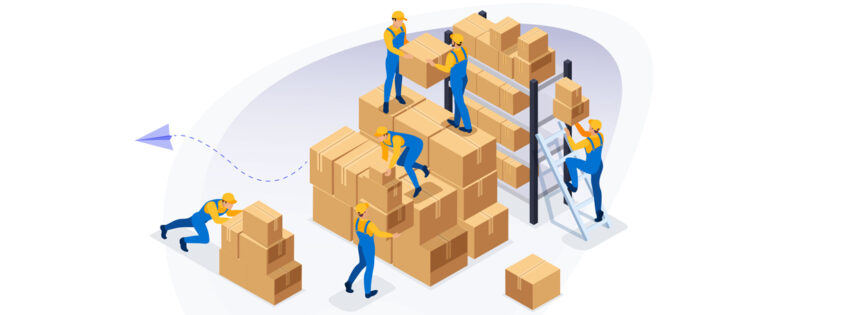
Managing inventory without having to deal with warehouses has been one of the game-changers for e-commerce entrepreneurs in recent years, especially with the rise of dropshipping. Dropshipping allows businesses to sell products without physically handling the stock.
This model lets you focus on marketing and customer service, while your suppliers take care of inventory management and order fulfillment. But while the concept sounds simple, managing inventory without warehousing comes with its challenges.
In this guide, we’ll explore practical tips for successfully managing your dropshipping business without the need to maintain an inventory. Whether you’re just starting or looking to improve your existing process, these steps will provide the framework to scale your dropshipping store.
Step 1: Choose the Right Supplier
One of the most important decisions you’ll make is choosing reliable dropshipping suppliers. Your supplier is responsible for inventory, order fulfillment, and shipping, making them a critical part of your dropshipping success. Suppliers like AliExpress, Oberlo, and SaleHoo are popular options, but you need to ensure they meet your business’s needs. Here’s what to consider when selecting a supplier:
- Reliability: Choose suppliers with a good track record for fulfilling orders on time. You don’t want your customers waiting weeks for their products.
- Quality Control: Make sure that the products you’re offering are of good quality. Poor quality can lead to high return rates, which can hurt your business.
- Shipping Times: Fast shipping is essential for customer satisfaction. Look for suppliers who offer quicker shipping times, especially if you’re targeting markets like the US or Europe. AliExpress and Oberlo offer a range of suppliers with varying shipping times, so it’s important to select those with reliable logistics partners.
Pro Tip
Always order test products from your supplier to check both product quality and shipping times. This simple test can save you a lot of headaches later.
Step 2: Use Inventory Management Software
Managing inventory is often a nightmare for e-commerce businesses, but with dropshipping, you can simplify the process through automation. Tools like Oberlo and Spocket are integrated with popular e-commerce platforms like Shopify, allowing you to track inventory in real-time without lifting a finger.
- Real-Time Updates: With real-time updates, you can avoid overselling products that are out of stock. This ensures your customers only see products that are available, which builds trust.
- Automated Syncing: Many inventory management tools sync your store’s inventory directly with your suppliers, ensuring consistency across your platforms.
- Stock Alerts: Use stock alerts to stay ahead of any inventory shortages or product changes.
By integrating a reliable inventory management system, you’ll reduce manual tracking errors and improve overall efficiency, all while focusing on growing your business.
Internal Link Suggestion
Want to dive deeper into dropshipping strategies? Check out our comprehensive guide on dropshipping strategies to scale faster.
Step 3: Set Up a Clear Order Management System
Efficient order management is crucial in dropshipping. When a customer places an order, the fulfillment process must be streamlined to ensure timely delivery. Here’s how to make your order management smooth:
- Automate Order Fulfillment: Use tools like Shopify’s Order Management System (OMS) or Oberlo to automate the fulfillment process. These tools automatically send customer orders to the supplier for shipment, eliminating the need for manual tracking.
- Shipping Notifications: Ensure your customers are notified of their order status through automated emails. Notify them when their order is confirmed, shipped, and delivered.
- Track Delays: While dropshipping eliminates warehousing, shipping delays are common. Always keep customers informed of any delays, and be transparent about shipping times. A little communication goes a long way in maintaining customer trust.
Pro Tip
Always set up a backup supplier or two, especially for your best-selling products, in case your primary supplier runs into stock issues.
Step 4: Communicate with Your Customers
Clear communication with customers is essential for managing expectations and reducing complaints. Customers need to understand that dropshipping involves longer shipping times compared to traditional e-commerce businesses. Here’s how to keep your communication smooth:
- Shipping Times and Stock Levels: Be transparent about estimated delivery times on product pages and during checkout. Let customers know when to expect their items.
- Return and Refund Policies: Provide easy-to-understand return policies. Make sure your customers know how they can return items and whether they are eligible for refunds or exchanges. A well-drafted return policy can save you from many disputes.
- Proactive Communication: If there’s a delay in shipping or an issue with an order, let your customers know immediately. This will help prevent frustration and maintain positive relationships.
Step 5: Test Your Product Range
One of the advantages of dropshipping is that you don’t have to worry about holding inventory, so you can test multiple products without upfront costs. However, testing your products effectively is crucial to ensuring you’re offering what your customers want.
- Ad Campaigns for New Products: Run Facebook or Google ads targeting specific demographics to see which products generate the most interest. This will help you identify your best-selling items and allow you to focus your efforts on high-performing products.
- Analyze Sales Data: Use your e-commerce platform’s built-in analytics to track which products are performing well and which aren’t. This data can guide future product selections.
For a deeper understanding of how to choose winning products, read our article on product selection tips.
Managing inventory without warehousing is one of the biggest advantages of running a dropshipping business.
By selecting the right suppliers, automating inventory and order management, and communicating clearly with your customers, you can streamline your business and focus on scaling without the headache of physical inventory.
With the right tools and strategies in place, drop shipping allows you to run a profitable e-commerce business without the need for warehouses or complex inventory systems.
Remember, successful dropshipping relies on strategic partnerships, smart automation, and transparent communication with your customers. Focus on these key elements, and you’ll set your business up for long-term success!
Want to learn more about dropshipping success? Visit our resource hub for dropshipping tips and guides.